April 2, 2026 – There’s a common theme that continues to come up in conversations with our foodservice customers: value. And while price is undeniably a key part of that equation, it’s not the only way consumers define it. Today’s operators are under pressure to deliver more, without simply cutting prices or defaulting to low-cost menus. Because what consumers are really asking for isn’t just cheaper options – they’re looking for meals that feel worth it. A recent survey found that 40% of respondents picked value as a top need when deciding where to eat out.1 That means delivering on flavor, quality, experience, and convenience in ways that elevate perceived value, protect margins, and ultimately give customers a reason to choose you again.
So, what can restaurants do to deliver value beyond price? We posed this question to a few experts from our roster who are on the frontlines with our foodservice partners, have experience on both the operator side and supplier side of the industry, and understand what “value” truly means to consumers.
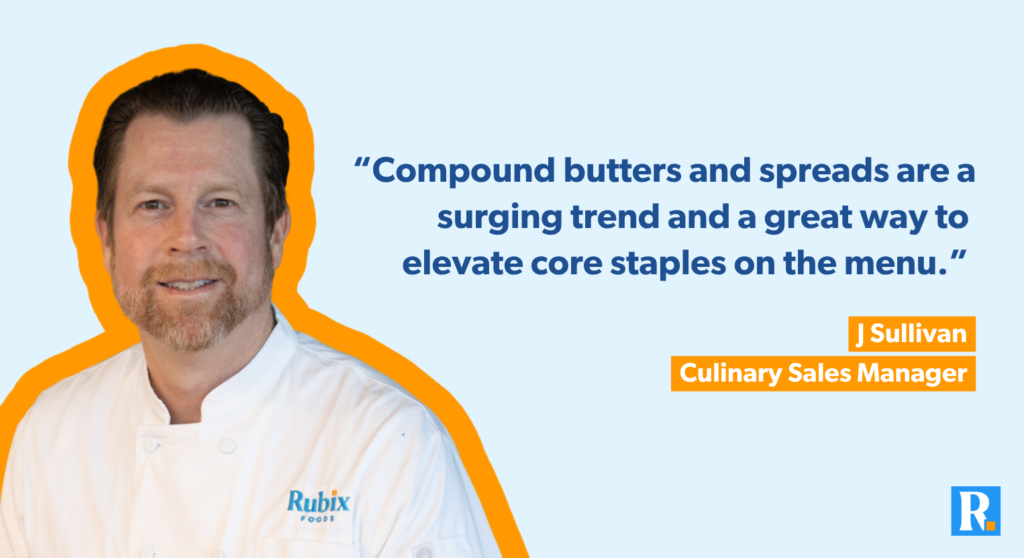
Nobody wants to spend money on mediocre food. With 53% of consumers saying that home-cooked meals taste better than restaurant food2, it’s hard to justify spending money at a restaurant that isn’t delivering high-impact flavors. From Chef J Sullivan’s perspective, it doesn’t have to be that complicated. “Look for new areas to pack more flavor into your core items that celebrate what you do best,” he advises chefs. One low-lift addition to an existing build can reinvigorate your menu and drive newfound appeal among consumers old and new.
According to a Datassential report, 49% of consumers say “great taste” is the most important factor when judging whether a menu item is a good value.2 Chef J offered up some flavorful insight on where menu developers can begin. “Compound butters and spreads are a surging trend and a great way to elevate core staples on the menu. They are inexpensive solutions to provide value and flavor that keep guests coming back. Burgers and chicken sandwiches utilizing cheesy spreads or butters can eliminate the need for other expensive elements and garnishes that have shorter shelf lives or seasonal inconsistencies,” Chef J shares.
And to that, consumers say “Yes, Chef.” 1 in 4 consumers from a Rubix proprietary study told us they want to see more cheesy spreads on sandwiches and burgers, and 1 in 5 want to see more flavored butters.3
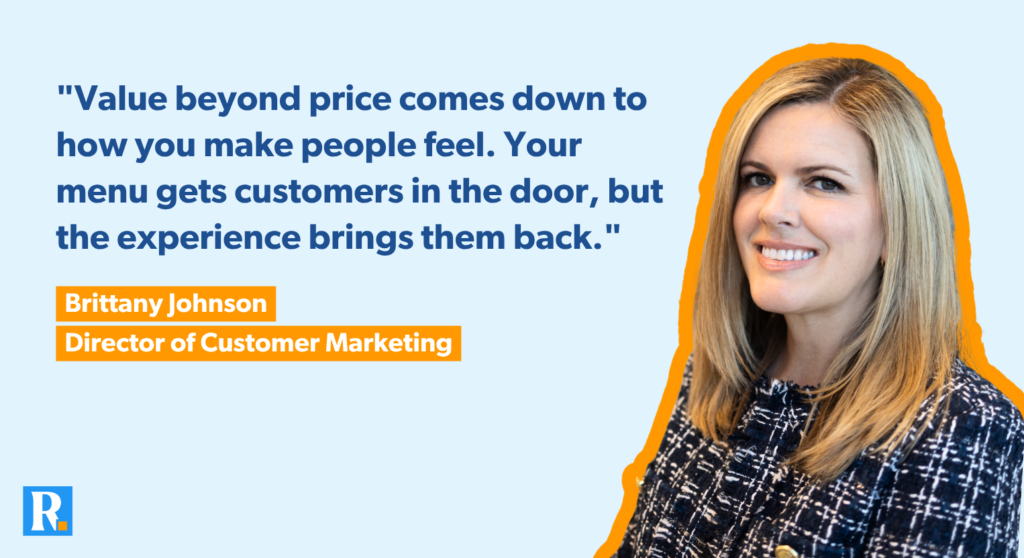
A good experience is invaluable. It could be the biggest deciding factor when choosing you versus your competitor across the street. “A customer’s decision to visit your restaurant was made with care and consideration,” Brittany Johnson explains. “If you treat each guest like their visit or order is an honor, that mindset shows up everywhere. That kind of intentional hospitality often comes through in small but memorable ways that make guests feel seen, welcomed, and appreciated. And those ‘Surprise and delight’ moments are, well, surprisingly effective.” Research shows that Brittany is right. Datassential reports that 81% of consumers say good service and a pleasant experience can make a meal feel more valuable.2
As someone who has worked closely with franchisees throughout most of her career, Brittany understands how much the experience can influence a restaurant’s success. “Food and labor costs are real challenges, and they can absolutely impact the experience if you’re not careful. The way to combat that is being smart with your resources. Staff appropriately, prep every product to spec, own mistakes and make them right quickly, and ensure your team is laser focused on your brand’s mission.” She acknowledges that operators navigate a fast-paced environment where every decision affects both the bottom line and the guest, and she encourages teams to reinforce a positive experience in every interaction and every touchpoint. “Value beyond price comes down to how you make people feel. Your menu gets customers in the door, but the experience brings them back.”
And that impact compounds over time. A great experience doesn’t just increase perceived value in the moment, it builds trust, drives repeat visits, and strengthens long-term loyalty. In other words, experience isn’t just a differentiator, it’s a growth lever that increases the lifetime value of every customer you serve.
Your customers are giving you the blueprint to create a more valuable experience… you just have to listen. “Doing a deep dive into your menu and the data available can help you pinpoint on where to focus,” Brittany recommends. “What are your guests actually telling you? Maybe it’s something small, but the details matter. And if you don’t know what your guests think, step one is to call Rubix and find out.”
Why is your favorite chain restaurant your favorite chain restaurant? Probably because you’re getting good food at a good price. In today’s economic environment, consumers have come to accept that they’re going to pay more for their regular order than they did 5 years ago. But when it comes to the quality of their favorite menu item, the expectations are unwavering. 64% of consumers say they want a good deal, but not at the expense of food quality.2
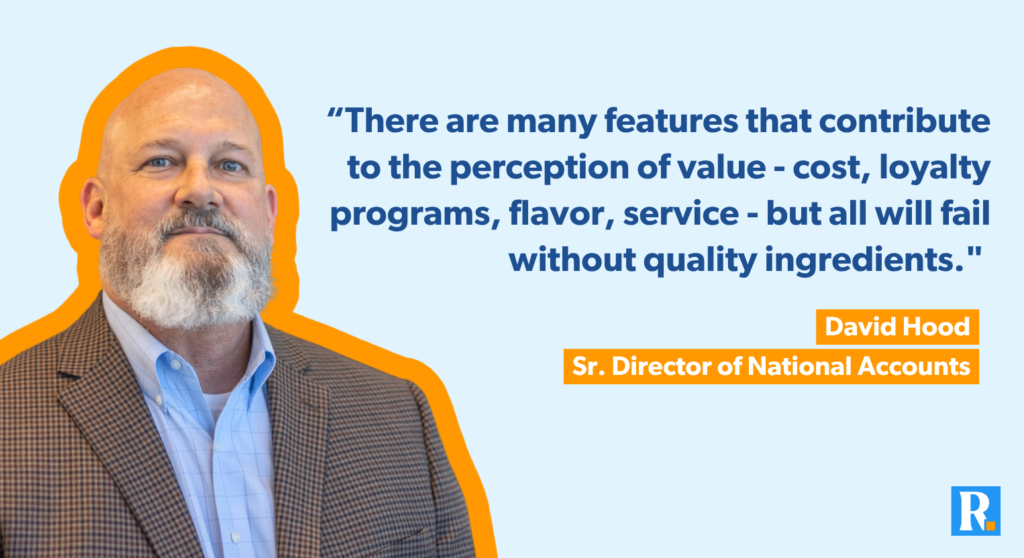
If customers don’t trust the quality of your offerings, they won’t have trust in your brand. “Consumers today are more savvy. They do not like the bait and switch,” David Hood observed when we asked him about the balance of quality and price. “There are many features that contribute to the perception of value – cost, loyalty programs, flavor, service – but all will fail without quality ingredients.” Participants of a Rubix-exclusive study agree with David. 47% said food quality is the most important point of consideration when choosing where to go out to eat.3
From what foodservice chains are telling David, the biggest opportunity for quality improvements is in breakfast. “Breakfast has become an all-day daypart. Restaurants can offer high-quality, unique breakfast builds in smaller portions at a lower price and higher margins than they can at lunch or dinner,” David points out. He suggests focusing on flavor profiles with broad appeal across ages and menu categories to make the value of your breakfast offerings rise and shine.
Time is our most valuable currency. When looking for convenient food options, consumers are more concerned about saving time, not money. That’s why 57% of consumers choose a QSR based on location near home or work4, and 51% of consumers consider delivery and takeout essential to their lifestyles.5 “Consumers are inundated with all the things that should be done in a day. Between balancing families, careers, working out, chores… if something can save 30 minutes, that value is limitless,” Claire Groves explains.
You can’t be convenient without being consistent. Knowing what you can expect from your reliable, go-to restaurants eliminates the “Where should we get dinner from tonight?” question, ultimately saving time. “Value to me as a consumer is really about consistency. If I can get the same experience every time, know that I’m going to get the order in a timely fashion, and it will taste consistent, I’m a happy camper,” Claire shares from the consumer’s perspective.
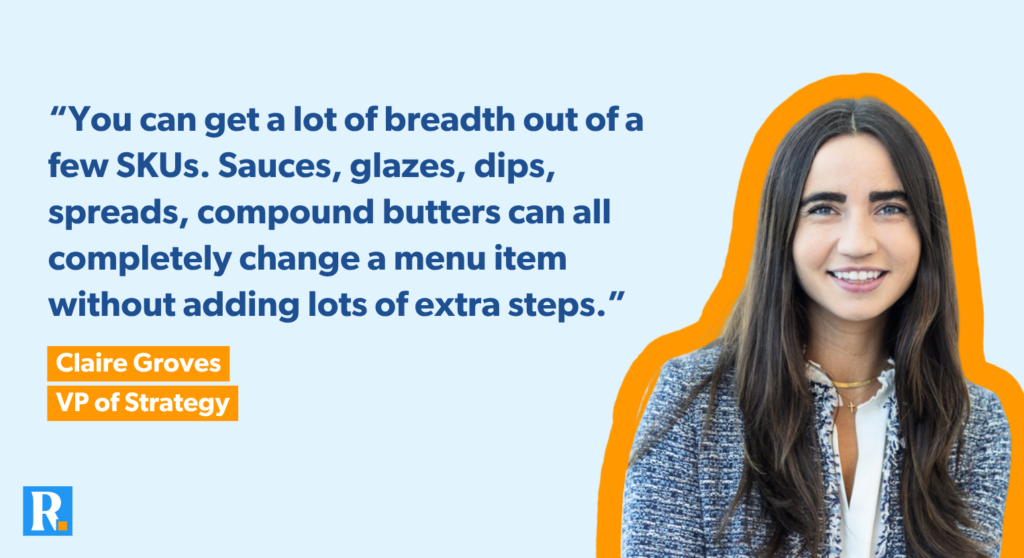
But from an operator’s perspective, Claire believes it’s all about working smarter, not harder – especially when it comes to LTOs. “You can get a lot of breadth out of a few SKUs. Sauces, glazes, dips, spreads, compound butters can all completely change a menu item without adding lots of extra steps.” This logic applies to beverages, too. Beverage toppers, like cold foam, are seen as more of a treat to consumers rather than an added cost. And we can all agree on the value in treating ourselves, right?
There isn’t a one-size-fits-all solution to deliver value to your consumers. It’s a combination of elevating your menu while remaining authentic to your brand, creating an experience that leaves a lasting positive impression, instilling trust by prioritizing quality above all else, and finding ways to make your customers’ lives a little easier.
If you’re looking to rethink value in a way that drives both perception and performance, make Rubix your first call. We’re ready when you are!
1 – Boston Consulting Group, February 2026
2 – Datassential, The Value Equation, November 2025
3 – Rubix Foods, Menu Concepts + Cravings Survey, October 2025
4 – PWC, May 2025
5 – DoorDash, August 2025