July 30, 2026 – Close your eyes and picture a food item you grew up with that unlocks a core memory for you. Think about an experience you had at a restaurant that makes you smile and brings you back to the good old days. Or imagine a flavor that provides instant comfort on a really tough day. These feelings and moments that you carry in your memory bank have a bigger influence than you realize on the food choices you make today.
They say the way to someone’s heart is through their stomach, but we say the way to someone’s stomach is through their heart. When it comes down to deciding where or what to eat, consumers’ decisions are often based on a metric that’s hard for anyone to measure – mood and emotions. So, our Consumer Insights team conducted a proprietary study to better understand how feelings influence consumer purchasing behaviors – not just to explain why consumers make the choices they do, but to help our customers turn those insights into menu innovation that drives real business results.
Everyone has a memory of a dining experience that sticks with them forever. It’s the ice cream shop your parents would take you to after getting good grades on your report card. It’s the blurry Sunday brunch you spent with friends recapping the night before. Or maybe it’s the fancy steakhouse you went to with your spouse when you got that promotion. No matter what that memory is for you, you can always recall the place you went to and the people you were with… but you probably don’t remember what exactly you ordered. There’s a lot to be said about what we choose to eat, but the first step in making that decision is choosing where to go out to eat at all. And more often than not, this important decision is emotionally driven.
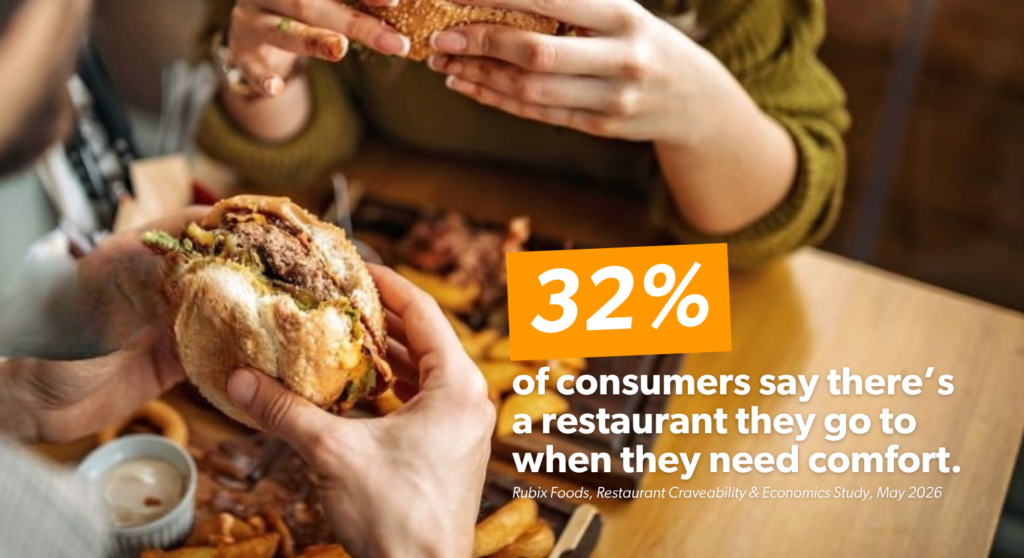
Restaurants play different roles in people’s lives, and operators who understand where they fit with their core customers can lean into those experiences that they’re trusted to provide. Participants of our study consistently voiced these motivations for choosing certain restaurants.
Capitalize on comfort, bring the memories to life, spark nostalgia and become the go-to place for special occasions to be the obvious emotional decision your customers will make when it’s time to figure out where to go for dinner tonight.
Pizza Hut is a great example of how brands are tapping into emotions to create a unique experience by doubling down on nostalgia. The chain decked out 155 restaurants with some of their iconic 90s decor including the checkered tablecloths, the famous red cups, the vinyl booths, Tiffany-style lamps, arcade games, and even the unmistakable red roof design. They even brought back their BOOK IT! Program for a limited time this summer, where kids can earn a free personal pan pizza by reaching their reading goals.
“Understanding consumer need states is an important layer of context for menu development. However, more than 50% of restaurant occasions are unplanned,” explains Ian O’Neil, our Director of Consumer Intelligence. “Emotional cravings drive consumers past certain restaurants and into others which is why it’s important to consider these cues when innovating and messaging new menu items.”
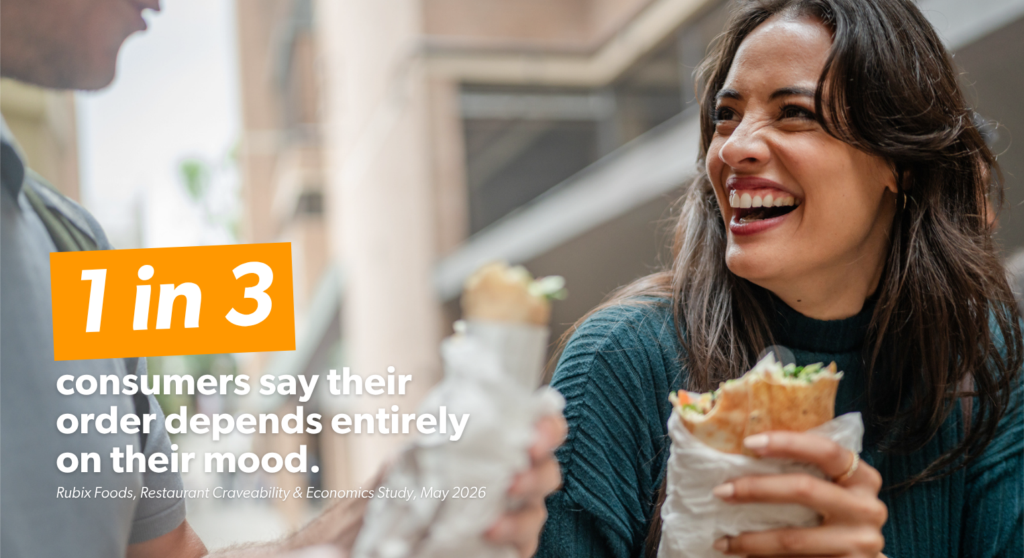
Choosing what to eat is often based on one impactful metric – how you’re feeling. 1 in 3 consumers told us that their order depends entirely on their mood. Furthermore, 22% of consumers find that certain foods or drinks genuinely improve their mood.1 Diet is no longer a factor, distance means nothing, and price becomes less important as long as you’re getting exactly what you want when you want it.
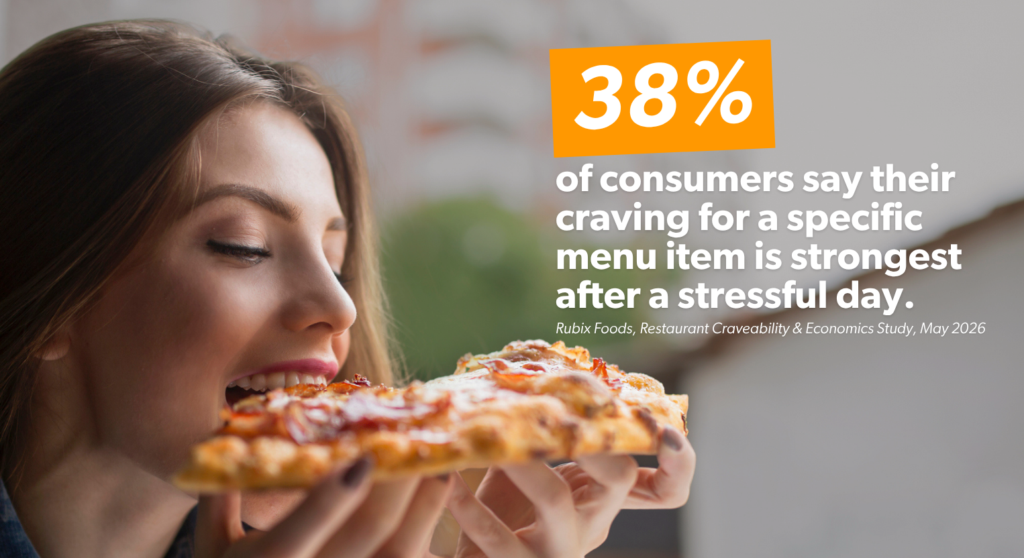
Our research shows that certain day-to-day occurrences, whether they be good or bad, can increase our appetite for certain types of foods or flavors. Consumers from our study say these occasions are responsible for driving their strongest cravings.
So, what are they craving in these hungry moments? Here’s what we uncovered.
Those consumers who reported having strong cravings late at night or after seeing food online were the ones who were the most drawn to cheesy flavor profiles. If the late-night crowd is an audience you want to tailor your menu for, consider filling your Instagram and TikTok feeds with burgers starring rich cheese spreads, chicken sandwiches drizzled with cheesy aiolis, or limited-edition mozzarella sticks that are so dang irresistible, you simply must DoorDash them right now.
Of all these examples though, cheese spreads have the biggest potential to curb the cravings of this dairy-loving demographic. How do we know? Because we have a history of developing cheese spreads for major national restaurant brands … cheese spreads that continue to find themselves on LTO calendars year after year.
Had a long day at work? It’s nothing that sugar can’t fix. Today is your birthday? Indulgence is encouraged. Consumers’ sweet cravings intensify during stressful situations and celebratory events. If you want to score major brownie points with your core customers, make desserts a recurring theme on your LTO calendar and turn those sweet offerings into true memory-making moments. 20% of consumers voiced to us that they want to see more indulgent “treat” experiences from restaurants.2
You’ve been looking forward to it all week – a plan-free Saturday to catch up on your favorite show. And on the menu, you have all your favorite snacks. Consumers who had specific cravings over the weekends or while watching TV/movies were those who gravitated towards foods with crispy/crunchy textures. Think pantry staples like potato chips and popcorn, or fried foods like chicken tenders and fries from their favorite restaurants.
There’s nothing more defeating than soggy fried food. Using flavor delivery systems that protect the crispy, crunchy texture of fried items will save the weekend and enhance your reputation. Menu items that use our CrispKeeperTM technology have been known to generate viral consumer buzz not just for the flavor, but for the audible difference in crispiness.
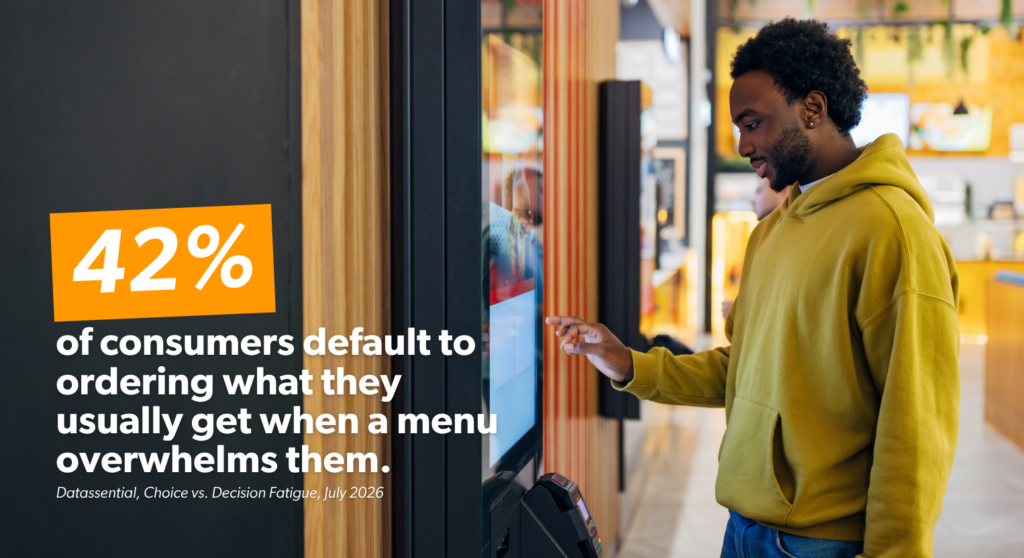
For some, choosing where or what to eat can be an anxiety-inducing experience and operators have to understand how to work around those feelings to keep their customers happy.
59% of consumers say they feel more pressure to make the “right” choice when ordering while on a tight budget.3 Understanding the value (beyond price) in what they are ordering instills confidence in their purchasing decision and builds trust in your brand.
We’ve all had those first day jitters. 32% are more likely to feel overwhelmed when they are at a new restaurant.3 Make the ordering experience as easy as possible for your customers and give those first-timers extra TLC to ease their anxiety.
Decision fatigue is real. 42% of consumers default to ordering what they usually get when a menu overwhelms them.3 Always have the menu items that your core customers know and love you for at the forefront to help them make a decision faster.
“Most consumers are under financial pressure, raising the stakes for menu innovation. The margin for error is small, and the potential impact on the customer lifetime value is large. Consumers are now more strategic about their restaurant spend, looking to minimize the risk of a bad experience. The rise of premium value offerings and small treats, especially beverages, are menu trends driven by consumers optimizing value,” O’Neil stresses to operators.
To have the biggest influence on your customer base, you have to find impactful ways to strike their emotional chords. This all starts with having a solid, baseline understanding of who your target audience is and what’s important to them. Research like this is table stakes for our Consumer Insights team. To form stronger connections with your customers, gain deeper insight into what’s important to them, and learn how to apply these findings to your own menu, collaborate with our team.
1 – Rubix Foods, Restaurant Craveability & Economics Study, May 2026
2 – Rubix Foods, Menu Concepts + Cravings Survey, October 2025
3 – Datassential, Choice vs. Decision Fatigue, July 2026